You'll know within an hour. The first time you walk through the French Quarter at night — the smell of jasmine and something frying, a brass band turning the corner, the wrought iron throwing shadows — something clicks. Other cities will feel muted after this. New Orleans doesn't do half-measures. This guide covers the neighbourhoods, hotels, food, cocktails, and music that make the addiction permanent.

When to Visit
Mardi Gras (February or March) is the obvious draw — but it's one experience among many. Jazz Fest (late April to early May) is for music lovers; the lineup spans jazz, blues, R&B, and beyond. The quieter weeks between — especially October and November — offer perfect weather and fewer crowds. Summer is hot and humid; August is hurricane season. If you want to avoid the tourist crush and still experience the city at its best, aim for late autumn or early spring.
Shops, restaurants, and bars through the Garden District
The French Quarter
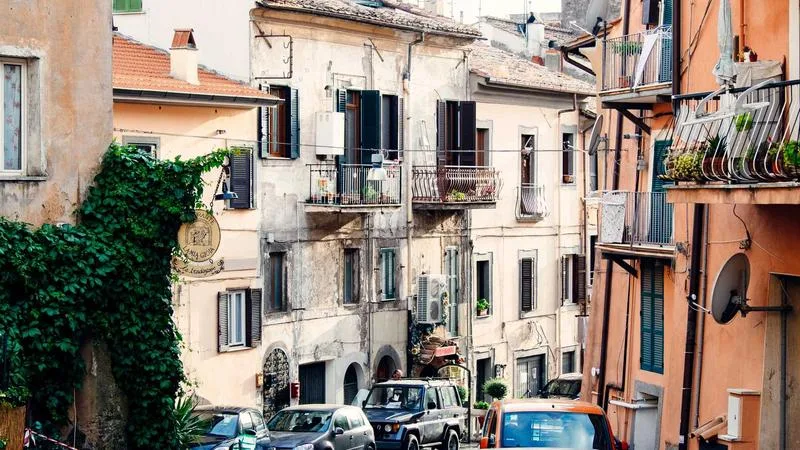
Yes, the French Quarter is touristy. It's also the historic heart of the city — the architecture, the balconies, the courtyards. Bourbon Street is what it is; if you want to experience it, go once. The rest of the Quarter rewards exploration. Royal Street has the galleries and antiques. Chartres and Decatur have the character. Jackson Square is the focal point. The key is to get off the main drags and into the side streets, where the Quarter feels like a village.



The key is to get off the main drags and into the side streets, where the Quarter feels like a village.
Faubourg Marigny and Bywater
East of the Quarter, the Marigny and Bywater are where locals live and play. Frenchmen Street is the music strip — jazz clubs, brass bands, and a vibe that's more authentic than Bourbon. The Marigny has colourful Creole cottages and a bohemian feel. Bywater is grittier, with great restaurants and dive bars. Both neighbourhoods are walkable from the Quarter and offer a different side of the city.
Pro tip: Frenchmen Street heats up after 10pm. If you want a seat before the crowds, arrive by 8. The Spotted Cat and Snug Harbor are the anchors — but the real magic is in the smaller rooms and the street itself.
Garden District
Lush, leafy, and lined with antebellum mansions, the Garden District is the city's most photogenic neighbourhood. Magazine Street runs through it — six miles of shops, restaurants, and bars. Take a streetcar or walk. The Lafayette Cemetery is worth a visit. This is where you go when you want to slow down and appreciate the architecture.
Where to Stay
Boutique hotels beat chains in New Orleans. Consider the Hotel Peter and Paul in the Marigny — a converted church and schoolhouse with a courtyard and bar. The Ace Hotel in the Warehouse District has a rooftop pool and a strong design sensibility. The Pontchartrain Hotel in the Garden District is a classic with a great bar. For something historic, the Hotel Monteleone in the Quarter has been operating since 1886 and has a rotating carousel bar.
Boutique hotels beat chains in New Orleans. The city rewards the places that have a story.
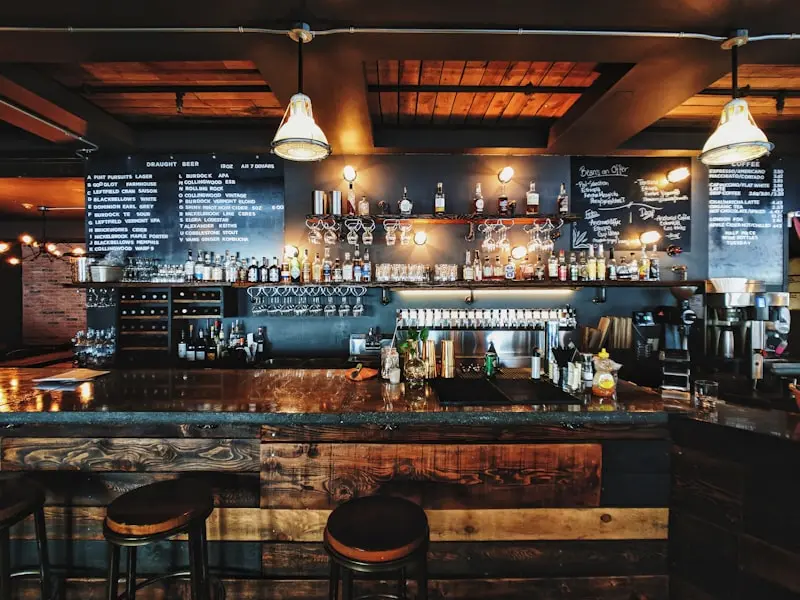
Food, Cocktails, and Music
Creole and Cajun are the pillars. Commander's Palace in the Garden District is the grande dame of Creole. For something more casual, try Cochon or Herbsaint for contemporary Southern. For cocktails, the Sazerac Bar at the Roosevelt Hotel is the birthplace of the Sazerac. Cure in the Freret neighbourhood has a serious cocktail program. For jazz, see our guide to the best jazz bars in New Orleans — we cover the venues where the music is the point.